Jeffrey Weisheit, 50, was executed early Thursday, November 5, 2026, for the 2010 murders of 8-year-old Alyssa Lynch and her 5-year-old brother, Caleb Lynch, who died after their family home was deliberately set on fire near Evansville, Indiana. The execution took place at the Indiana State Prison in Michigan City, where Weisheit was pronounced dead at 12:45 a.m. Central Standard Time.
The two children were killed on April 9, 2010, while their mother, Lisa Lynch, was away working an overnight shift. Weisheit, who was dating their mother at the time, had been left responsible for the children. Instead of keeping them safe, he set their home ablaze with the young siblings trapped inside.
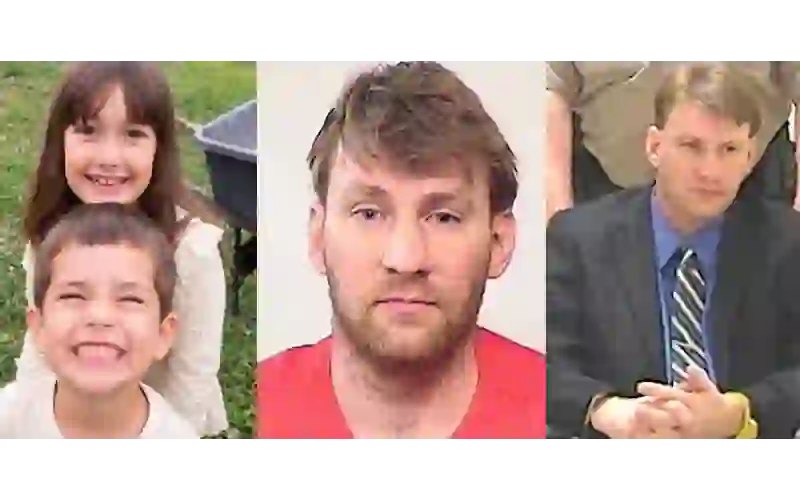
According to prosecutors, Weisheit bound Caleb before deliberately starting the fire. He then fled to Kentucky, where authorities eventually arrested him following a pursuit. The deaths of Alyssa and Caleb left their family facing a loss that could never be undone.
A jury convicted Weisheit in 2013 of two counts of murder and arson. He received the death penalty for the killings and remained on Indiana’s death row while his legal challenges moved through the courts.
Even as his execution approached, his attorneys continued fighting to save his life. They asked Indiana Gov. Mike Braun to commute his death sentence to life in prison without the possibility of parole. However, Braun rejected the request on Monday, November 2, following the Indiana Parole Board’s unanimous recommendation against clemency.
The children’s parents had different positions during the final clemency proceedings. Lisa Lynch urged officials to uphold Weisheit’s death sentence. Their father, Steven Lynch, asked the governor to spare his life, arguing that another death would not bring his children back and would cause another family to experience a painful loss.
Weisheit’s attorneys also made a final attempt to stop the execution by challenging Indiana’s lethal-injection procedures and the drugs intended for use. They raised concerns about how the medication had been obtained, stored and tested. They also questioned the qualifications of the prison staff responsible for establishing intravenous lines.
On Wednesday night, the Indiana Supreme Court rejected the emergency request for a stay in a 3-2 decision. Two justices dissented and supported granting a 10-day delay to allow further examination of the execution drugs and related concerns. The majority allowed the execution to proceed.
The execution process began shortly after midnight Thursday. According to the Indiana Department of Correction, Weisheit had no final words. His final meal consisted of barbecue ribs from Texas Corral and Mountain Dew.
His death marked Indiana’s fourth execution since the state resumed carrying out executions in December 2024. For the Lynch family, however, the case goes back to one terrible night in April 2010, when two young children lost their lives inside a burning home.
Leave a Reply