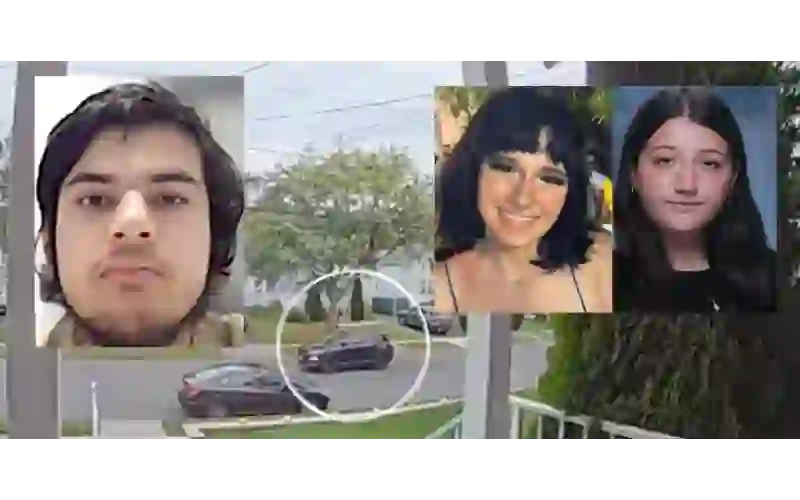
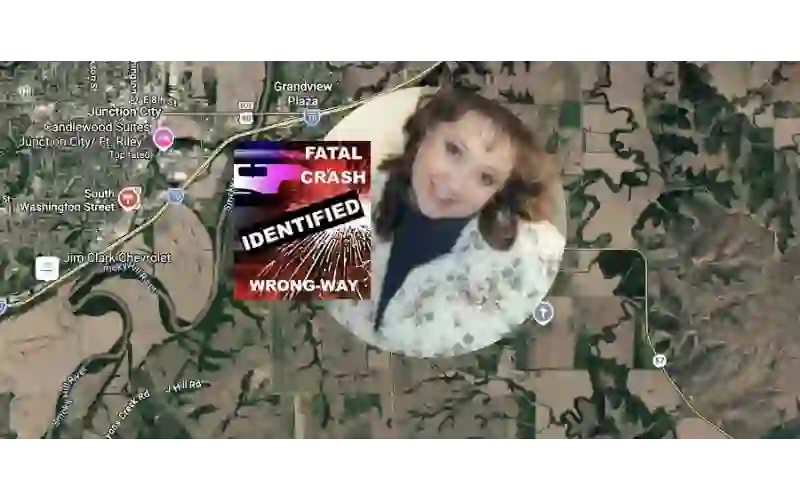
Author: Emmy Phem

  • Linda Evans, Essex, England: Retired Language Teacher Had Big Travel Plans When She Died in a Collision

    Linda Evans, Essex, England: Retired Language Teacher Had Big Travel Plans When She Died in a Collision

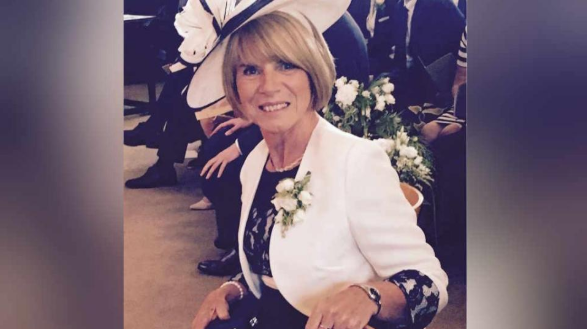
    Linda Evans had trips planned for the coming months. She never got to take them. Linda, a retired languages teacher, died Oct. 9 after a collision in Essex, England. She was a pedestrian.

    Emergency crews did all they could. It wasn’t enough. Linda was pronounced dead at the scene. Police arrested a man on suspicion of causing death by dangerous driving and driving while unfit through drink or drugs.

    Her family is devastated. They describe Linda as kind, loving and generous, a woman who always put other people first. She doted on her four grandchildren.

    She spent her working life in the classroom. For more than 30 years, Linda and her husband both taught at secondary schools and served the local community. Linda taught languages, and her family says she was dedicated, hardworking and highly regarded. Even after she retired, she kept tutoring in several Essex schools.

    Retirement didn’t slow her down. She worked out, took a yoga class and walked regularly with a local group. She belonged to the Women’s Guild and the Benfleet Horticultural Society. Her garden was beautiful, and she worked hard to keep it that way.

    Linda also loved to explore. She had plans to travel all over the world in the coming months. Her family says she had a real joie de vivre and so much more time, love and energy to give.

    Her husband may feel the loss most. The couple were soulmates, according to their children. They spent more than 60 years together and were married for 51 of them. Her family says he is at a loss without her. Linda will also be missed by her children, their young families and everyone who knew her.

    Police are asking for help. Anyone with information or footage can contact them online, through Live Chat or by calling 101. People can also pass on information anonymously to Crimestoppers. Whoever calls should quote incident 1243 of Oct. 9.

  • Said Akbar, Rawalpindi, Pakistan: Did the Kashmir Ceasefire Push an Afghan Gunman to Kill Pakistan’s First Prime Minister?

    Said Akbar, Rawalpindi, Pakistan: Did the Kashmir Ceasefire Push an Afghan Gunman to Kill Pakistan’s First Prime Minister?

    Said Akbar had a gun, a seat near the stage and about a second to use both. On Oct. 16, 1951, in Rawalpindi, the Afghan man fired two bullets at Pakistan’s first prime minister, Liaquat Ali Khan. Seconds later, police shot him dead. Seventy-five years on, nobody knows for sure why he did it.

    Liaquat had just said two words, “Baraadaraan-e-Millat,” meaning brothers of the nation. He was speaking at Company Bagh, a park in Rawalpindi, at a Muslim League gathering around 4 p.m. After he was hit, he was rushed to Combined Military Hospital. He died there at 56.

    Akbar’s gun was a German-made 9mm Walther P38. He got it from a mujahid who had come back from Kashmir. Because police killed him so fast, they lost their only chance to ask about his motive. His son, Farooq Babrakzai, says a deputy superintendent of police, Khan Najaf Khan, shouted in Pashto for his men to shoot. Inspector Mohammad Shah fired six times from close range, and five shots hit. Muslim League members reportedly stabbed the wounded man with spears. Babrakzai wants to know why he wasn’t taken alive.

    Akbar came from the Zadran tribe in Khost, in what is now Afghanistan. He and his brother, Mazrak Zadran, had opposed King Mohammad Zahir Shah. They surrendered to British authorities in North Waziristan in January 1947. After Partition, Akbar settled in Abbottabad, and Pakistan kept paying him a monthly allowance that started under the British. On the day of the shooting, he sat in a section reserved for Criminal Investigation Department officers. His 11-year-old son, Dilawar Khan, was beside him.

    Many people point to Kashmir. In the first India-Pakistan war, from 1947 to 1948, Pakistan-backed fighters had entered Kashmir. A ceasefire began Jan. 1, 1949. Some Pakistani officers and tribal fighters wanted to keep going, and they were let down. Investigators asked whether Akbar felt the same way.

    Babrakzai says his father offered, in the summer of 1951, to raise, fund and lead a tribal force into Kashmir. The official commission called that a “hoax” and did not name it as a motive. Babrakzai says men angry about the ceasefire got to his father and talked him into killing the prime minister. The commission also looked at two other ideas: that Akbar acted irrationally, or that he disliked Liaquat’s lifestyle and his wife Ra’ana’s refusal to observe purdah. It proved none of the three.

    Liaquat’s own words don’t line up neatly with a Kashmir grudge. In a speech in New York, he said Pakistan would take any dispute to talks, mediation or arbitration. He said Pakistan would accept what Kashmiris chose in a vote, even as it kept its claim. He had also signed the Nehru-Liaquat Pact in 1950 to protect minorities in India and Pakistan.

    Then there is the coup. Major General Akbar Khan, who led Pakistani forces in the 1947-48 war, thought the ceasefire was a mistake. On Feb. 23, 1951, he allegedly talked about toppling Liaquat’s government at a meeting of officers and left-wing thinkers. An insider exposed the plot. Liaquat announced the arrests March 9, including Brigadier M.A. Latif and poet Faiz Ahmed Faiz. Their trial began June 15. Four months to the day later, Liaquat was shot. Babrakzai says the two may be linked.

    A commission led by Justice Mohammad Munir, with Akhtar Hussein, was named Oct. 25, 1951. It heard 66 witnesses in 38 sessions and delivered its report in February 1952. Babrakzai says 73 names, clauses and sentences were removed, mostly for security reasons. The commission found gaps in police testimony. Inspector Shah, who killed Akbar, was not questioned.

    In August 1952, the head of Punjab’s Special Police, Nawabzada Aitzazuddin, died in a plane crash, and key records were reportedly lost. Those records later reached Scotland Yard’s Cecil Edwin U’ren, who studied the case in 1954 and 1955 and said Akbar acted alone. Ra’ana didn’t buy it. Babrakzai, who put out his own account in 2025, doesn’t either.

    Liaquat was the first of several Pakistani leaders to die in violence. Benazir Bhutto was killed in 2007 outside the same park, now named Liaquat Bagh. President Zia-ul-Haq died in a plane crash in 1988, and Zulfikar Ali Bhutto was executed April 4, 1979.

    Friday, Oct. 16, 2026, is 75 years to the day. The gunman died within moments, and he took his reasons with him. Kashmir may be one of them. It has never been proven.

  • Liaquat Khan, Rawalpindi, Pakistan: Pakistan’s First Prime Minister Was Shot 75 Years Ago, and Nobody Can Prove Why

    Liaquat Khan, Rawalpindi, Pakistan: Pakistan’s First Prime Minister Was Shot 75 Years Ago, and Nobody Can Prove Why

    Seventy-five years ago, Pakistan’s first prime minister stepped up to speak in Rawalpindi and never finished. Liaquat Ali Khan got out two words, “Baraadaraan-e-Millat,” which mean brothers of the nation. Then two bullets hit him. It was Oct. 16, 1951.

    He was at Company Bagh, a park in Rawalpindi, to speak at a Muslim League gathering. It was about 4 p.m. A man sitting near the stage, Said Akbar, fired twice with a 9mm pistol. Liaquat was rushed to Combined Military Hospital and died there. He was 56.

    Seconds later, police shot Akbar dead. His son, Farooq Babrakzai, says a deputy superintendent of police, Khan Najaf Khan, shouted in Pashto, asking who fired and telling his men to shoot. Inspector Mohammad Shah then fired six shots from close range, and five hit. Muslim League members reportedly stabbed the wounded man with spears. Babrakzai asks why nobody tried to take him alive.

    The gun was a German-made Walther P38. Akbar bought it from a mujahid who had come back from Kashmir. Since he died within moments, police never got to ask him why he did it.

    So who was he? An Afghan from the Zadran tribe in the Khost region. He and his brother, Mazrak Zadran, had fought against King Mohammad Zahir Shah and then surrendered to British authorities in North Waziristan in January 1947. After Partition, Akbar settled in Abbottabad. Pakistan kept paying him a monthly allowance that began under the British. At the rally, he sat in a section meant for Criminal Investigation Department officers, close to the prime minister. How he got that seat is still a question. His 11-year-old son, Dilawar Khan, was with him and saw the chaos.

    The first India-Pakistan war over Kashmir ran from 1947 to 1948. A ceasefire took effect Jan. 1, 1949, almost three years before the shooting. Some Pakistani officers and tribal fighters were unhappy that the fighting stopped. That is why investigators looked at Kashmir as a motive.

    They looked at three ideas: that Akbar acted irrationally, that he hated Liaquat’s Kashmir policy, or that he disliked Liaquat’s lifestyle and his wife Ra’ana’s refusal to observe purdah. None was proven. Babrakzai says that in the summer of 1951, his father offered to raise, pay for and lead a tribal force into Kashmir. The commission called the offer a “hoax.” Babrakzai believes men angry about the ceasefire got to his father and talked him into the killing.

    Liaquat’s own words make it harder. In a speech in New York, he said Pakistan was ready to settle every dispute through talks, mediation and arbitration. He also said Pakistan would accept whatever the people of Kashmir chose by vote, though Pakistan still claimed the region. This was the same man who signed the Nehru-Liaquat Pact in 1950 to protect minorities in both countries.

    Months before the shooting, Pakistan had uncovered its first attempted military coup. Major General Akbar Khan, who led Pakistani forces in the 1947-48 war, thought accepting the ceasefire was a mistake. On Feb. 23, 1951, he allegedly talked about overthrowing Liaquat’s government at a meeting of officers and left-wing thinkers. The plot got out through an insider. On March 9, Liaquat announced the arrests of Akbar Khan, Brigadier M.A. Latif, poet Faiz Ahmed Faiz and others. Their trial began June 15, 1951. Four months later, Liaquat was dead. Babrakzai suggests the two events are connected.

    On Oct. 25, 1951, Pakistan named a commission led by Federal Court Justice Mohammad Munir, with Punjab Financial Commissioner Akhtar Hussein. It heard 66 witnesses in 38 sessions, 23 in Lahore and 15 in Rawalpindi, and turned in its report in February 1952. Babrakzai says 73 names, clauses and sentences were cut, mostly for security reasons. The commission found gaps in police testimony. Inspector Shah, the man who killed Akbar, was never questioned.

    In August 1952, Nawabzada Aitzazuddin, head of Punjab’s Special Police, died in a plane crash, and important police records were reportedly lost. Those same records later reached Cecil Edwin U’ren of Scotland Yard, who studied the case in 1954 and 1955 and decided Akbar acted alone. Ra’ana did not believe it. Decades later, neither did Babrakzai, who says investigators never properly checked whether others were involved. He published his own account in 2025.

    Liaquat’s death was the first in a long line of political violence in Pakistan. Former Prime Minister Benazir Bhutto was killed in 2007 outside the same park, now called Liaquat Bagh, and the facts of her case are still disputed. President Zia-ul-Haq died in a plane crash in 1988 that is still a mystery. Former Prime Minister Zulfikar Ali Bhutto was executed April 4, 1979, after a trial many called unfair.

    Friday, Oct. 16, 2026, marks 75 years since Liaquat’s killing. Pakistan knows who fired the bullets. It still does not know why, or whether anyone else was behind it. Kashmir may have been the reason, but nobody has ever proven it.
  • Maria Niotis, Cranford, New Jersey: Family Says She Sought a Restraining Order Before the Crash That Killed Her and a Friend

    Maria Niotis, Cranford, New Jersey: Family Says She Sought a Restraining Order Before the Crash That Killed Her and a Friend

    Maria Niotis and Isabella Salas were 17 years old and students at Cranford High School. On Sept. 29, 2025, they were riding an electric bike on Burnside Avenue in Cranford when a vehicle struck them. Both girls died. This week, a Union County grand jury indicted an 18-year-old on two counts of first-degree murder in their deaths.

    His name is Vincent Battiloro, of Garwood, New Jersey. He was 17 when the crash happened. His case was later moved from the juvenile system to adult court, and that is when his name became public. Prosecutors announced the indictment Wednesday.

    Maria’s family says this was not a random crash. They claim Battiloro harassed Maria before that day and that she had asked for a restraining order. Those claims are separate from the indictment, and prosecutors have not made them part of the charges.

    Here is what authorities allege. Cranford police got the call at about 5:26 p.m. Officers found Maria and Isabella seriously hurt, and both were taken to area hospitals, where they died. Prosecutors say Battiloro drove into them on purpose, then ran.

    An affidavit gives more. Investigators got dashboard-camera footage from the Jeep through a search warrant. A detective wrote that it allegedly shows Battiloro driving to Burnside Avenue, making a U-turn, speeding up behind the girls and hitting them at high speed. The Jeep stopped on Lincoln Avenue West, and investigators say he ran toward Lincoln Park. Witnesses and home-security video also helped, court papers say.

    Police found Battiloro through the Jeep’s registration. At headquarters, he told investigators that a stranger in a red mask with a knife had carjacked him that afternoon. He was held after the crash, then released while the case went on. Two days later, detectives arrested him again and charged him with two counts of murder.

    Reports say Battiloro had about 40,000 TikTok followers. The day after the crash, he hosted a YouTube livestream where he talked about the girls’ deaths.

    Battiloro is scheduled to be arraigned Oct. 27, 2026. The charges are allegations, and he is presumed innocent unless proven guilty in court.

  • Vincent Battiloro, Cranford, New Jersey: Dashcam Allegedly Shows U-Turn Before Deadly Crash Into Two Teen Girls

    Vincent Battiloro, Cranford, New Jersey: Dashcam Allegedly Shows U-Turn Before Deadly Crash Into Two Teen Girls

    A grand jury in Union County, New Jersey, has indicted an 18-year-old on two counts of first-degree murder. Vincent Battiloro, of Garwood, is accused in the deaths of Cranford High School students Maria Niotis and Isabella Salas, both 17. Prosecutors announced the indictment Wednesday.

    The girls were riding an electric bike on Burnside Avenue in Cranford on Sept. 29, 2025, when a vehicle hit them. Authorities say Battiloro did it on purpose, then ran. He was 17 at the time. His case was later moved from the juvenile system to adult court.

    Cranford police got the call at about 5:26 p.m. Officers found both girls badly hurt. They were taken to area hospitals, and both died there.

    An affidavit in the case lays out what investigators say they found. Using a search warrant, they got dashboard-camera footage from the Jeep involved. A detective wrote that the video shows Battiloro driving to Burnside Avenue, making a U-turn, speeding up behind the girls on the e-bike and hitting them at high speed.

    The Jeep stopped on Lincoln Avenue West, according to the affidavit. Investigators say Battiloro got out and ran on foot toward Lincoln Park. Witnesses and home-security cameras added to the case, court papers say.

    Police tracked him down through the Jeep’s registration and brought him to Cranford police headquarters. He told investigators that a stranger in a red mask, holding a knife, had carjacked him that afternoon while he was driving the Jeep. He was taken into custody after the crash, then released while the investigation went on. Detectives arrested him again two days later and charged him with two counts of murder. His name became public once the case moved to adult court.

    The girls’ families say this was no accident. They claim Battiloro harassed Maria before the crash and that she had asked for a restraining order. Those claims are separate from what’s in the indictment.

    Reports say Battiloro had about 40,000 followers on TikTok. The day after the crash, he hosted a YouTube livestream and talked about the girls’ deaths.

    He is set to be arraigned Oct. 27, 2026. The indictment moves the case forward, but the charges are allegations. Battiloro is presumed innocent unless he is proven guilty in court.

  • Hilary Swank Hollywood California: Glow-Stick Video Reveals Baby Number Three

    Hilary Swank Hollywood California: Glow-Stick Video Reveals Baby Number Three

    A family danced in the dark with glow sticks on their clothes. Hilary Swank, 52, stood with husband Philip Schneider and twins Aya and Ohm. A small glowing baby shape marked her belly.

    She posted the clip on Instagram Wednesday. The caption said a lot of people ask what project she is doing next and this one releases in December.

    Swank and Schneider already have the twins born in April 2023. She was 48 when they arrived. The actress first announced that pregnancy in October 2022.

    Pregnancy at her age brings medical questions. An obstetrician said it is extremely rare and can raise risks of gestational hypertension, preeclampsia, diabetes and cesarean birth. The uterus can still carry a pregnancy with help from IVF, though Swank has not confirmed any treatment.

    She has spoken before about starting motherhood later. Acting filled earlier years. Now she can give full attention to being a mom. The couple married in 2018.

    Fans saw the playful video and the December hint. The twins will soon have a new sibling. Swank’s career grew in Hollywood, the major film and television center in Los Angeles, California.

  • Hilary Swank Hollywood California: Expecting Third Child at 52

    Hilary Swank Hollywood California: Expecting Third Child at 52

    Hilary Swank is 52. She won two Academy Awards. Wednesday she told the world she is having another baby with husband Philip Schneider.

    She posted a short video on Instagram. Swank, Schneider and their twins Aya and Ohm danced in the dark. Glow sticks stuck to their clothes made stick-figure shapes.

    A glowing baby figure sat over Swank’s belly. The caption read, “A lot of people have been asking what project I’m doing next, this one releases in December.”

    The couple welcomed the twins in April 2023. Swank was 48 then. She first shared the twin pregnancy news in October 2022.

    Doctors note that pregnancy at 52 is rare. Risks can include high blood pressure, preeclampsia, diabetes and a higher chance of cesarean delivery. Swank has not said if she used IVF or shared other medical details.

    She once talked about becoming a mom later in life. Years spent on acting left her ready to focus fully on parenthood. She and Schneider married in 2018 and keep much of their family life private.

    The new baby will make the twins older siblings. Swank built her career in Hollywood, the film center in Los Angeles, California.

  • Seth Moreland Junction Kansas: Fleeing Driver Hits Cadillac Head-On

    Seth Moreland Junction Kansas: Fleeing Driver Hits Cadillac Head-On

    Seth Moreland, 41, of Caney, ran from law enforcement Wednesday. His Ford F-150 exited Interstate 70 near the Washington Street interchange in Junction City. Then he drove back on the wrong way.

    The pickup struck a Cadillac XT5 head-on. Diane Lister, 62, of Chapman, was behind the wheel of the Cadillac. Both drivers died in the crash.

    Geary County Sheriff’s Office deputies had been chasing the westbound Ford. Moreland left the interstate and came back traveling the wrong direction. The trucks met in the interchange area.

    Neither vehicle carried any other people. The Kansas Highway Patrol reported fatal injuries for both drivers.

    The crash took place on westbound I-70 at about milepost 296.9. That spot sits just east of the Washington Street exit near Junction City in Geary County.

    No one has said publicly why the deputies chased Moreland. The highway patrol handled the investigation.

    Lister came from Chapman in Dickinson County. She owned Lucky Charm Quilts. The Better Business Bureau listed her as a partner in the business. Her path crossed Moreland’s that afternoon on the highway.

  • Diane Lister Junction Kansas: Quilter Dies in Wrong-Way Crash on I-70

    Diane Lister Junction Kansas: Quilter Dies in Wrong-Way Crash on I-70

    Diane Lister was 62. She lived in Chapman. She owned Lucky Charm Quilts. Wednesday afternoon she drove her Cadillac XT5 on Interstate 70 near Junction City.

    A Ford F-150 came at her the wrong way. The pickup belonged to Seth Moreland, 41, of Caney. He was fleeing deputies from the Geary County Sheriff’s Office.

    Moreland had exited I-70 near the Washington Street interchange. Then he re-entered the highway going the wrong direction. His truck hit Lister’s Cadillac head-on in the interchange area.

    Both drivers died. Neither vehicle had anyone else inside. The Kansas Highway Patrol said both suffered fatal injuries.

    The crash happened at about milepost 296.9, just east of the Washington Street exit. It sits in Geary County.

    Authorities have not said why the deputies chased Moreland. The highway patrol investigated the collision.

    Lister ran a quilting business in Chapman. Friends and the Better Business Bureau listed her as a partner there. Her drive that day ended on the interstate.

  • Rodney Hinton Hamilton Ohio: Suicide Claim Opens Door to Lesser Charge

    Rodney Hinton Hamilton Ohio: Suicide Claim Opens Door to Lesser Charge

    Jurors in the Rodney Hinton Jr. trial can now weigh reckless homicide in the death of Deputy Larry Henderson. Judge Jody Luebbers announced the decision Thursday in Hamilton County.

    Hinton faces aggravated murder for driving into Henderson on May 2, 2025. He has pleaded not guilty by reason of insanity.

    Defense lawyer Clyde Bennett pushed for the lesser charge. He said Hinton’s driving looked consistent with a suicide attempt. Bennett noted Hinton’s mental illness history. He also said family members worried Hinton might hurt himself after viewing the body-camera video of his son’s shooting earlier that day.

    Prosecutors fought the request. Kip Guinan said the state sees intentional murder, not suicide. He argued that any suicide attempt would still be a deliberate act.

    Luebbers agreed suicide is purposeful but said the reckless question centers on how Henderson died. She pointed to mixed witness statements about the car’s path. Some saw Hinton aim at the deputy. One saw him head for a pole before the impact.

    The ruling leaves the main charge intact. It simply gives jurors another choice during deliberations.

    Psychologist Dr. Jaime Adkins took the stand for the state. She said Hinton’s severe mental disease did not erase his knowledge of right and wrong that day. Adkins linked his actions to acute grief rather than active psychosis. She testified Hinton later said he “sorta, kinda wanted to hit the officer.”