Just In

  • NEHEMIAH BARRON, ATLANTA GEORGIA: SHOT IN HEAD, APARTMENT SET ON FIRE

    NEHEMIAH BARRON, ATLANTA GEORGIA: SHOT IN HEAD, APARTMENT SET ON FIRE

    Fire crews in southwest Atlanta thought they were answering a routine call about smoke inside an apartment building. Instead, they walked into a crime scene that revealed a young man’s violent death. The victim, 23-year-old Nehemiah Barron, was found inside his Stanton Road apartment, shot multiple times in the head. His home had been set ablaze, though the fire burned itself out before spreading. What began as a fire call quickly turned into a homicide investigation.

    Investigators say Robert Smith, also 23, is now charged with murder, aggravated assault, and first-degree arson in Barron’s death. Smith was already locked up in Fulton County Jail on unrelated charges when police secured new warrants against him. Detectives believe Smith not only shot Barron but also tried to cover up the crime by setting the apartment on fire.

    On September 23, Atlanta Fire Rescue crews arrived at the two-story building on Stanton Road SW after reports of smoke. Inside one unit, they found Barron’s body. At first, officials thought he had died from burns. But the warrants later revealed the chilling detail: Barron had been shot in the head several times before the fire was set.

    Neighbors told investigators they were stunned by the discovery. The fire never spread beyond Barron’s apartment, leaving the rest of the building intact. But the shock of knowing someone was killed inside their community has left residents shaken. Many said they had seen Barron around the complex and believed he lived alone.

    Police have not released a motive. What they have confirmed is that Smith remains behind bars, now facing charges that could keep him there for life. Detectives continue piecing together how the two men crossed paths and what led to the deadly confrontation.

    Barron’s family is left with unanswered questions. A young man’s life was cut short in a brutal way, and the attempt to erase the evidence only deepened the tragedy. For them, the fire was not just smoke and flames—it was a cruel attempt to hide the truth.

    The case highlights how quickly routine calls can turn into something far darker. Firefighters expected to put out a blaze. Instead, they uncovered a homicide that now has Atlanta police working to bring justice for Nehemiah Barron.
  • Dalton, DeKalb County Alabama: Tractor-Trailer Collision Under Investigation

    Dalton, DeKalb County Alabama: Tractor-Trailer Collision Under Investigation

    The fatal crash that claimed the life of Mansel Clinton Dalton early Friday morning has raised questions about safety along Interstate 59 in DeKalb County, Alabama. Dalton, 62, was driving his Subaru Forester northbound when he collided with a tractor-trailer near mile marker 225 at about 2:45 a.m. He did not survive the injuries sustained in the wreck.

    Investigators are working to piece together what happened in those dark early morning hours. Police Chief David Davis confirmed that the collision remains under review, with authorities looking closely at the circumstances leading up to the impact. For now, the details remain limited, but the incident has already sparked conversations about road safety in the area.

    Truck traffic along I-59 is heavy, especially during overnight hours. Residents have long voiced concerns about the risks posed by large commercial vehicles sharing the road with smaller cars. Dalton’s death has brought those concerns back into focus, highlighting the dangers that can unfold in an instant.

    The crash has also left many in Fort Payne shaken. Dalton was not just another driver; he was a member of the community whose life ended suddenly on a stretch of highway familiar to many. His passing has underscored how fragile life can be when routine travel collides with unpredictable circumstances.

    Authorities have not yet released further details about the tractor-trailer driver or the conditions of the road at the time of the crash. What is clear is that Dalton’s death has left a void, and the community is waiting for answers that may help explain how such a devastating collision occurred.

    For Dalton’s family and friends, the investigation is only part of the story. The grief they carry is personal, rooted in the loss of someone whose presence mattered in countless ways. The crash may be studied for its causes, but the impact of his absence will be felt far beyond the highway.

    As DeKalb County continues to grapple with this tragedy, Dalton’s name will remain tied to the questions of safety and responsibility on I-59. His story is now part of a larger conversation about how communities can protect lives on the roads they travel every day.

  • Mansel Dalton, DeKalb County Alabama: Fatal I-59 Crash Leaves Community Mourning

    Mansel Dalton, DeKalb County Alabama: Fatal I-59 Crash Leaves Community Mourning

    In the early hours of Friday morning, tragedy struck along Interstate 59 in DeKalb County, Alabama. Mansel Clinton Dalton, a 62-year-old resident of Fort Payne, lost his life after his Subaru Forester collided with a tractor-trailer near mile marker 225. The crash happened around 2:45 a.m. on the northbound lanes, cutting short a life that had been moving through its ordinary rhythm until that moment.

    Dalton’s passing is more than just another line in a traffic report. He was a man with years of memories, relationships, and routines that mattered deeply to those around him. At 62, he still had chapters left to write, and his sudden death is a painful reminder of how quickly an everyday drive can turn into something irreversible.

    Friends and family now face the silence left behind. His absence will be felt in familiar places, in conversations that will no longer happen, and in the quiet reminders of a life that touched others in ways that cannot be erased. For those who knew him, the grief is not just about the accident but about the countless small moments that made him who he was.

    Authorities are still investigating the circumstances of the collision. Fort Payne Police Chief David Davis confirmed that the case remains open as officials work to determine exactly what led to the crash. For now, the community is left with questions and the heavy weight of loss.

    Dalton’s death has stirred emotions across Fort Payne. In small towns, every loss feels personal, and this one is no different. His name will be spoken with respect, his memory carried forward by those who loved him, and his story remembered as more than just a statistic.

    The crash on I-59 is a stark reminder of the fragility of life on the road. It underscores how quickly routine travel can become dangerous, leaving families and communities to pick up the pieces. Dalton’s story is now part of that reality, a reminder that behind every headline is a person whose life mattered.

    Rest in peace, Mansel Clinton Dalton. Your journey ended too soon, but your memory will remain in the hearts of those who knew you.

  • Jed York, East Palestine Ohio — NFL Slaps 49ers Owner With Heavy Fine

    Jed York, East Palestine Ohio — NFL Slaps 49ers Owner With Heavy Fine

    Jed York’s arrest in East Palestine, Ohio, has now cost him six games and half a million dollars. The NFL announced the suspension and fine on October 2, 2026, after reviewing his August arrest during a prostitution sting. York had already missed three games, which count toward the penalty, and will be cleared to return after San Francisco’s October 19 game against Washington.

    The sting was carried out by the Mahoning Valley Human Trafficking Task Force with help from East Palestine police. York allegedly used a pseudonym to arrange a meeting through an online ad, agreeing to pay $140. He showed up at the Wheat Hill Mobile Home Community in a rental car, where officers arrested him. Investigators seized $160 in cash, later forfeited to the task force.

    York faced misdemeanor charges of engaging in prostitution and possessing criminal tools. Prosecutors later amended the prostitution charge to disorderly conduct. He pleaded no contest the next day, received a one-day jail sentence with credit for time served, and paid $1,150 in fines. He also completed an online course as part of the resolution. The criminal case ended quickly, but the NFL’s review stretched into the season.

    The league’s punishment is separate from the Ohio case. Officials said York’s conduct violated the Personal Conduct Policy, which applies to owners as well as players. The six-game suspension and $500,000 fine reflect the seriousness of the violation. York accepted the ruling and issued a public apology, calling his actions “an inexcusable mistake.”

    York’s absence has been felt at games and league meetings. While the suspension keeps him away from team activities, it does not affect his ownership status. The 49ers continue to operate from Levi’s Stadium in Santa Clara, California, under the management structure he put in place. His return later this month will restore his presence, but the incident has already left a mark.

    York’s history with the team stretches back nearly two decades. He took over daily operations in 2008, became principal owner in 2024, and served as CEO until February 2026. His leadership has been central to the franchise’s direction, making his suspension a rare and high-profile setback for an NFL owner.

    The case underscores how the league enforces its conduct rules across all levels. For York, the punishment is more than financial—it’s a public reckoning. His arrest in East Palestine and the fallout that followed will remain part of his legacy, even as he resumes his role with the 49ers later this season.

  • Jed York, East Palestine Ohio — 49ers Owner Arrested in Prostitution Sting

    Jed York, East Palestine Ohio — 49ers Owner Arrested in Prostitution Sting

    Jed York, the principal owner of the San Francisco 49ers, has been suspended six games and fined $500,000 by the NFL after his arrest in East Palestine, Ohio, during a prostitution sting. The league announced the punishment on October 2, 2026, citing violations of its Personal Conduct Policy. York had already missed three games, which count toward the suspension, and will be eligible to return after San Francisco’s October 19 matchup against Washington.

    York’s arrest took place on August 23 when he responded to an undercover ad posted on a prostitution website. Investigators say he used a fake name and agreed to pay $140 to meet a woman at the Wheat Hill Mobile Home Community. The Mahoning Valley Human Trafficking Task Force, working with East Palestine police, arrested him at the scene. Officers seized $160 in cash and later forfeited it to the task force.

    Court records show York was initially charged with engaging in prostitution and possessing criminal tools. Prosecutors later reduced the prostitution charge to disorderly conduct. On August 24, York entered a no contest plea to both charges. He was sentenced to one day in jail, credited for time served, fined $1,150, and required to complete an online course. The case was formally closed after those conditions were met.

    The NFL’s decision came after its own review of the incident. The league emphasized that York’s actions violated standards expected of team owners. The suspension and fine are separate from the Ohio criminal case, underscoring the NFL’s authority to discipline under its conduct policy. York accepted the ruling, issuing a statement apologizing to his family, the 49ers organization, players, coaches, staff, fans, and partners.

    “This was an inexcusable mistake and I take full responsibility,” York said in the team’s release. His absence has kept him away from games and league meetings since the start of the season. The punishment does not strip him of ownership, and the 49ers continue operations from Levi’s Stadium in Santa Clara, California.

    York has been involved in the franchise since 2008, taking over day-to-day control from his parents. He became principal owner in 2024 and served as CEO until earlier this year. His leadership has shaped the team’s business and football decisions, making his suspension a significant moment for the organization.

    The fallout from York’s arrest highlights the NFL’s ongoing effort to hold even its most powerful figures accountable. For fans, the incident is a reminder that ownership carries responsibilities beyond the field. York’s return later this month will mark the end of his suspension, but the shadow of his arrest in East Palestine will linger over his reputation and the franchise he leads.

  • Tony Romo Milwaukee Wisconsin: The Traffic Stop That Ended a Nine-Year Run

    Tony Romo Milwaukee Wisconsin: The Traffic Stop That Ended a Nine-Year Run

    Tony Romo lost his job at CBS. The network and the former Cowboys quarterback agreed to part ways Friday. It came less than two months after a traffic stop in Milwaukee that led to an OWI arrest. The whole thing moved fast. Arrest in July. Plea in September. Gone by Friday.

    Here’s what happened on the road. It was July 23. Romo was driving south on Interstate 43 in Milwaukee. Deputies with the Milwaukee County Sheriff’s Office didn’t like what they saw. They pulled him over. They ran field sobriety tests. They suspected he was operating while intoxicated. He was arrested on the spot.

    The court case wrapped up Sept. 1. Romo pleaded no contest. A Milwaukee County judge found him guilty. His driving privileges got revoked for six months. He was ordered to pay $834. He has to complete an alcohol assessment program. And once he gets a new license, he has to use an ignition interlock device on his vehicles for at least a year. Citations for an open container of alcohol in the vehicle and unsafe passing were dismissed.

    CBS had been quiet about all this. Romo went on leave shortly after the arrest. The network said it was evaluating the situation. J.J. Watt filled in next to Jim Nantz and sideline reporter Tracy Wolfson. On Friday, CBS announced Watt stays on the lead NFL broadcast team for the rest of the season. Romo won’t be back.

    Romo put out a statement of his own. He said he’s proud of what he did at CBS over nine years. He said he approached the job with a desire to win and be the best. Then he said he’s going to take a break — something he’s never done — and focus on his health and his family before moving on to his next opportunity. CBS thanked him for his contributions and wished him the best.

    Romo’s path to the booth was unusual. He spent his entire NFL career with Dallas. He was undrafted. He became the starter in 2006. He made four Pro Bowls. He finished as the franchise’s career leader in touchdown passes with 248. He retired after the 2016 season and joined CBS the next year. He worked with Nantz on the top NFL team and became one of the most recognizable analysts on TV. Fans knew his voice. They knew his takes. Now that chapter is closed.

    Milwaukee is the largest city in Wisconsin and the seat of Milwaukee County. It sits along Lake Michigan, roughly 90 miles north of Chicago. Interstate 43 runs through the Milwaukee metro area. That’s where the traffic stop happened. That’s where the story started. And now it’s where the story ends for Romo at CBS.

  • Tony Romo Milwaukee Wisconsin: CBS Drops Star Analyst After Drunk Driving Bust

    Tony Romo Milwaukee Wisconsin: CBS Drops Star Analyst After Drunk Driving Bust

    Tony Romo is done at CBS. The network and the former Dallas Cowboys quarterback agreed to split ways Friday, closing out a nine-year run that made him one of the biggest names in sports television. The move came after his July arrest in Milwaukee on a charge of operating while intoxicated. He never called another game for the network after that night on Interstate 43.

    The arrest happened July 23. Romo was driving south on I-43 when a traffic stop turned into something much bigger. Deputies with the Milwaukee County Sheriff’s Office said they watched how he was driving, pulled him over, and then ran field sobriety tests. They suspected he was drunk behind the wheel. He was taken in on the OWI charge.

    It didn’t take long for the case to wrap up. Romo pleaded no contest on Sept. 1. A Milwaukee County judge found him guilty. His license got yanked for six months. He has to pay $834, go through an alcohol assessment program, and put an ignition interlock device on any vehicle he drives for at least a year once he gets his license back. Two other citations — one for an open container of alcohol in the car and one for unsafe passing — got tossed out.

    CBS put Romo on leave right after the arrest. The network didn’t rush to a decision. It just waited and watched. J.J. Watt stepped in next to Jim Nantz and sideline reporter Tracy Wolfson on the lead NFL broadcast team. Now Watt stays there for the rest of the season. CBS made that clear Friday.

    Romo, 46, kept things short in his own statement. He said he’s proud of the work he did at CBS. He said he went after the job the same way he went after everything else in his life — trying to win. Then he said he’s going to take a break, something he says he’s never really done, and focus on his health and his family before he looks at what comes next.

    CBS also put out a statement. The network thanked Romo for his nine years and wished him well. That was it. No long goodbye. No highlight reel. Just a clean break.

    Before all this, Romo had one of the wildest rises in broadcasting. He joined CBS in 2017 right after retiring from the NFL. He had spent his whole playing career with Dallas, went from undrafted to starter in 2006, made four Pro Bowls, and left as the franchise’s all-time leader in touchdown passes with 248. He retired after the 2016 season. A year later he was in the booth. Fans either loved him or couldn’t stand him, but they always knew his voice.

    Milwaukee sits right on Lake Michigan, about 90 miles north of Chicago. It’s the biggest city in Wisconsin and the seat of Milwaukee County. Interstate 43 cuts through the metro area. That stretch of highway is where the traffic stop went down. That stop set everything else in motion — the arrest, the plea, the leave, and now the end of his run at CBS.

  • Bronx, New York: Ronnie “Big Black” Benjamin, Mensa Member Turned Howard Stern Wack Pack Star, Dead at 64

    Bronx, New York: Ronnie “Big Black” Benjamin, Mensa Member Turned Howard Stern Wack Pack Star, Dead at 64

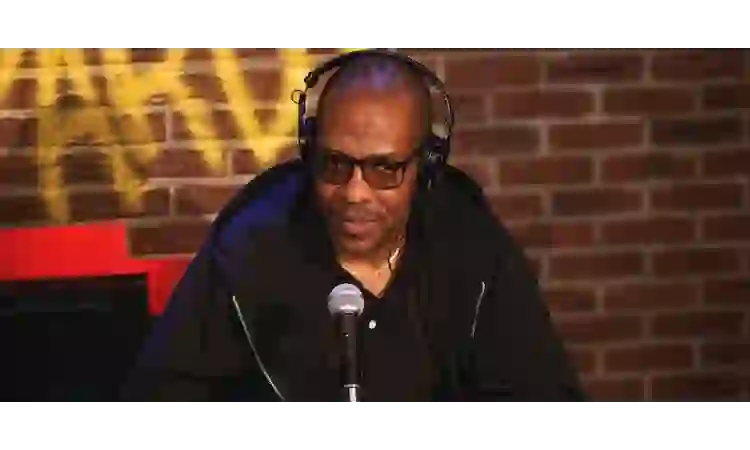
    Ronnie Benjamin had a brain that could have taken him anywhere. He went to Bronx High School of Science. He was in Mensa. That is the international group for people who ace intelligence tests. And yet, for a lot of his life, he relied on public assistance. That gap between what he could do and where he ended up is the kind of thing that makes people stop and think. Benjamin died at 64. The New York City Medical Examiner’s Office said the cause was arteriosclerotic cardiovascular disease. Natural causes. Plaque built up in his arteries. They narrowed. They hardened. His heart gave out.

    Howard Stern fans knew him as “Big Black.” He was part of the Wack Pack, the loose collection of unforgettable characters who drifted through The Howard Stern Show over the decades. Benjamin was not a regular. He came on when he came on. But when he did, Stern kept him around. The interviews stretched out. Stern asked about his personal life. His relationships. His sex life. Benjamin answered. No shame. No dodging. Robin Quivers was there too. The three of them would go back and forth. Listeners loved it. It was raw radio. The kind of thing you do not hear much anymore.

    He also shared the mic with Lawrence Coward. Stern called Coward the “King of All Blacks.” The two of them were part of the same odd universe. Stern built a career on giving airtime to people who were not polished. Not rehearsed. Not media-trained. Benjamin fit that mold. He said what he said. He did not dress it up.

    The medical examiner did not release when he died. They did not say where. No other circumstances came out. So the end of his life stays mostly out of view. What we know is the cause. What we know is the manner. Natural causes. That is it. The rest is silence from the officials.

    Benjamin was born in the Bronx. One of the five boroughs. His connection to Stern’s nationally known show made him recognizable way past New York. People in Ohio knew him. People in Texas knew him. That is the reach of a long-running radio program. It turns regular people into voices you feel like you know. Benjamin was one of those voices.

    His death marks the loss of another figure from a specific stretch of Stern’s career. That stretch produced a big cast of Wack Pack personalities. Some are gone now. Some are still around. Benjamin was 64. He leaves behind listeners who remember the blunt answers. The long interviews. The guy who was smarter than the persona suggested. And who was willing to talk about his life in a way most people never would.

  • Bronx, New York: Ronnie “Big Black” Benjamin, Howard Stern Wack Pack Favorite, Dead at 64 From Heart Disease

    Bronx, New York: Ronnie “Big Black” Benjamin, Howard Stern Wack Pack Favorite, Dead at 64 From Heart Disease

    Ronnie Benjamin, the man Howard Stern fans knew as “Big Black,” died from heart disease. He was 64. The New York City Medical Examiner’s Office put out the word. The cause was arteriosclerotic cardiovascular disease. That is a mouthful, sure. In plain English, it means fatty plaque built up inside his artery walls. The arteries got narrow and hard. The medical examiner called it natural causes. No foul play. No accident. Just a body wearing out the way bodies sometimes do.

    The medical examiner did not say when he died. They did not say where. They did not release any other details about his final days. That is all we have right now. The office has been tight-lipped beyond the basic facts. So the picture of his last hours stays private. For a guy who spent so much time talking out loud on the radio, his exit came quiet.

    Benjamin was not a household name in the usual sense. But if you listened to The Howard Stern Show, you knew him. He showed up on the program and did not hold back. Stern would ask him stuff most people would dodge. Benjamin answered anyway. Straight. Blunt. No filter. That was the whole deal with him. He talked about his relationships. He talked about his sex life. He talked about money problems. He talked about relying on public assistance. Stern and co-host Robin Quivers would keep him in the studio for long stretches. The conversation just rolled. Listeners ate it up.

    Here is the part that made people do a double take. Benjamin was born in the Bronx. He went to Bronx High School of Science. People call it Bronx Science. That is a tough school to get into. He was also a member of Mensa. That is the club for people who score high on intelligence tests. So you had this guy on Stern’s show talking raw and real, and behind all that was a brain that could run circles around most folks. Life does not always line up neat like that. It just does not.

    He also popped up alongside Lawrence Coward. Stern called Coward the “King of All Blacks.” The two of them became part of the strange cast of characters Stern built over the years. The Wack Pack was not a formal group. It was just a bunch of personalities who fit the show’s vibe. Benjamin was not on every week. But when he came around, Stern gave him room. The interviews went long. The answers stayed honest. That honesty is what stuck with people.

    His death is another loss from a certain era of Stern’s radio career. That era produced a long list of recognizable faces and voices. Benjamin was one of them. Listeners remember the voice. They remember the direct answers. They remember a guy willing to talk about things most guests would never touch. He was 64. Born in the Bronx. Recognizable far beyond New York because of a radio show that reached millions. That is a strange kind of fame. But it was his.

  • Moses Lake, Washington: Semi-Truck Driver Vanishes After Fatal I-90 Crash Kills Two Young Men

    Moses Lake, Washington: Semi-Truck Driver Vanishes After Fatal I-90 Crash Kills Two Young Men

    A semi-truck driver is somewhere out there tonight. And Washington State Patrol wants to know where. The truck kept rolling eastbound on Interstate 90 after a deadly crash Wednesday night that killed two Moses Lake men. Brody Milbrandt, 29, and Craig Dennis, 27, died at the scene. Their SUV rear-ended the semi around 9:45 p.m. about five miles west of Moses Lake in Grant County. The truck didn’t stop. It just kept going.

    That’s the part that has investigators fired up. A crash that hard doesn’t happen without the driver feeling it. The impact was severe enough to kill two people instantly. Yet the semi-truck reportedly continued eastbound like nothing happened. Troopers are now asking the public for help identifying the vehicle and its driver. They want answers. And they want them soon.

    Here’s what we know so far. Milbrandt was driving the SUV. Dennis was riding shotgun. Both from Moses Lake. Both young. Both gone. The Washington State Patrol says the crash happened in the eastbound lanes. The SUV hit the back of the semi-truck. The injuries were traumatic. Neither man survived. Troopers are also looking into whether intoxicants played any role in the crash. That investigation is ongoing.

    The search for the semi-truck is now a priority. Troopers haven’t released a description of the rig yet. They haven’t named a suspect. But they’re asking anyone who was on eastbound I-90 near milepost five around 9:45 p.m. Wednesday to come forward. If you saw a semi-truck in that area, if you noticed something unusual, if you have dash camera footage, they want to hear from you. Even the smallest tip could break this thing open.

    Two families are sitting at home right now with a hole in their hearts that won’t ever heal. Brody Milbrandt was 29. Craig Dennis was 27. They had people who loved them. They had plans. They had futures. All of that ended on a dark stretch of highway in Grant County. And the person driving that semi-truck? They drove away. That’s a hard pill to swallow for anyone who knew these men.

    The Washington State Patrol isn’t calling this a hit-and-run yet. But they are treating the semi-truck as a key piece of the puzzle. They need to find it. They need to talk to the driver. They need to know what happened in those final seconds before impact. Was the truck stopped? Was it moving slow? Did the driver know they’d been hit? Those are the questions troopers are trying to answer. And they can’t do it alone.

    If you know anything about this crash, call the Washington State Patrol. Don’t wait. Don’t think it’s not important. Two young men from Moses Lake are dead. Their families deserve answers. Their friends deserve closure. And the road through Grant County deserves to be safe again. Brody Milbrandt and Craig Dennis mattered. They still matter. May they rest in peace.