Just In

  • Anchorage Alaska — Community Mourns Jason April’s Tragic End💔

    In Anchorage, Alaska, the story of Jason April has shaken the community. After days of searching, Jason was found dead, leaving behind grief that has touched not only his family but also countless strangers who followed his case.

    The search for Jason became a rallying point. Flyers were posted across town, and social media lit up with his photo. People who never knew him felt compelled to help, showing how a community can come together when someone is missing.
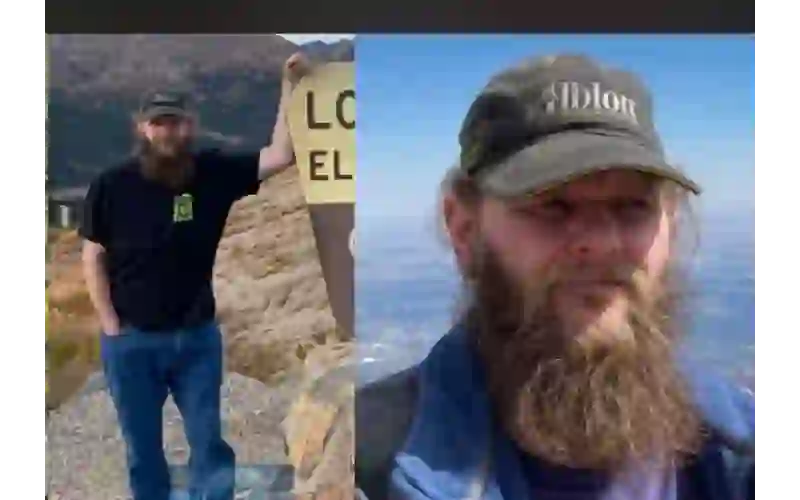
    Jason’s death has left his family devastated. They had held onto hope, clinging to the thought that he might return safely. Instead, they now face the painful reality of saying goodbye far too soon.

    Neighbors recall how quickly the city mobilized. Volunteers walked streets, checked trails, and spread word wherever they could. That effort, though it ended in tragedy, showed the strength of Anchorage when faced with loss.

    The news has sparked conversations about how fragile life is. For many, Jason’s story is a reminder to hold loved ones close and to never take time for granted. His passing has left a mark that will not fade easily.

    As the family grieves, the community continues to stand by them. Support has poured in, with people offering meals, prayers, and quiet gestures of care. In moments like these, Anchorage shows its heart.

    Jason April’s memory will live on. Though his story ended in sorrow, the love and unity shown during the search reflect the best of what people can give. His family now carries that love as they face the days ahead.

    —

    Incident Location: Anchorage, Alaska
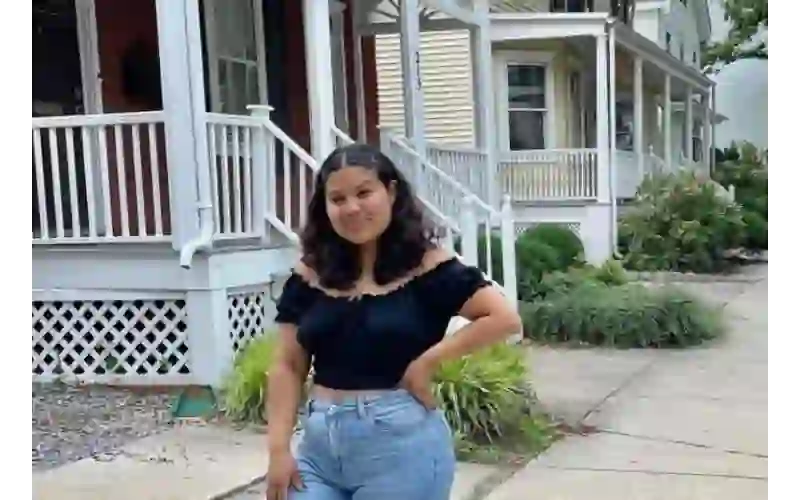
  • Michelle F. Chitacapa, East Brunswick, New Jersey: Police Probe Fatal Early Morning Route 18 Vehicle Impact💔

    Local traffic safety investigators are sifting through evidence following an early morning fatal vehicle accident that took the life of an East Brunswick resident on October 29, 2026. The collision happened at approximately 5:09 a.m. at the juncture where Route 18 intersects with Racetrack Road.

    Emergency call takers routed local patrol units to the location right after a 911 caller reported that a car had hit a person on the road. First responders arrived within minutes to find 28-year-old Michelle F. Chitacapa critically injured on the pavement.

    Emergency medical service technicians rendered immediate care before transporting Chitacapa to a nearby regional hospital. Doctors worked to stabilize her condition, but she succumbed to her injuries shortly after reaching the emergency room.

    The driver of the vehicle stopped immediately following the crash. Police reports state that the driver was unhurt and waited at the scene for patrol officers to arrive.

    Officer Michael Manning of the East Brunswick Police Department Traffic Safety Section has taken charge of the collision investigation. Investigators are examining the intersection layout, lighting conditions during the early hours, and vehicle movement to understand how the crash unfolded.

    Department representatives are asking anyone who drove through the Route 18 corridor at the time of the incident to share relevant information. Drivers who passed through Racetrack Road or noticed anything unusual around 5:09 a.m. can contact the Traffic Safety Section at 732-390-6969.

    Residents wishing to remain anonymous can phone in details using the police department’s tip line at 732-432-8477. Officers expect to release further details as their technical review and reconstruction of the crash scene conclude.

  • FBI Dixmoor Illinois raid ends with shooting death💔

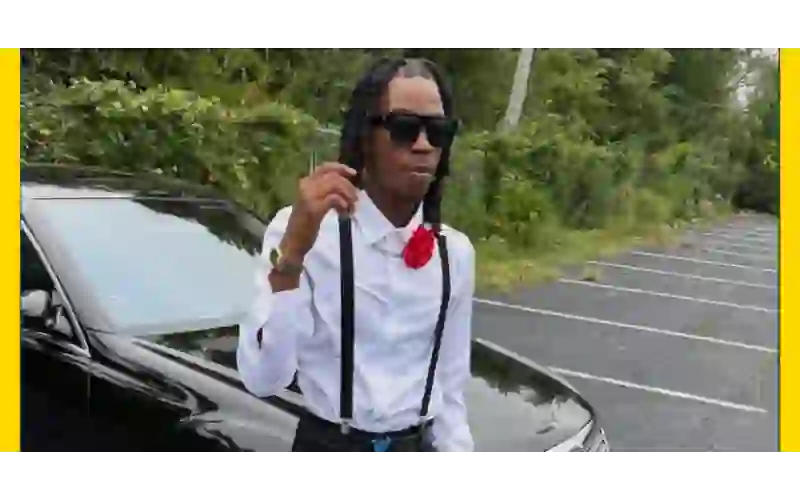
    Federal agents moved in at 7 a.m. on Wednesday October 28 2026 targeting a residence near 145th Street and Cooper Avenue. The operation involved tactical deployment including flash bang devices designed to disorient occupants. Gunfire erupted during the entry. One person died. Five others were taken into custody. The FBI calls it a necessary action. Critics call it another example of excessive force.

    Chadwick Clark went by Lowick in street circles. He was associated with 7Block and BurnerGang according to local sources. Whether that made him a target or just caught in the crossfire remains unclear. The bureau hasn’t released details about what intelligence led to the raid. They haven’t explained why such aggressive tactics were deemed necessary. The public gets fragments of information while families get full devastation.

    Five arrests happened that morning. The identities of those detained haven’t been made public. Legal representatives will likely challenge the circumstances surrounding the operation. Defense attorneys always do. They’ll question whether less lethal options existed. Whether communication could have resolved the situation. Whether Chadwick posed an immediate threat requiring deadly force. These questions matter because they determine accountability.

    The FBI Inspection Division reviews incidents like this. They examine protocol adherence. They look at decision-making chains. But internal reviews rarely satisfy grieving families. They don’t bring back the dead. They don’t answer the why that haunts loved ones. Why did it have to end this way? Why couldn’t someone have walked out alive? Why does justice always seem to favor those with badges over those without?

    Dixmoor sits in Cook County just south of Chicago. It’s a community that has dealt with its share of tragedy. Violence isn’t new here. But federal raids bring a different kind of fear. The kind that makes people check their locks twice. The kind that makes parents keep kids inside. The sound of flash bangs doesn’t just echo through streets. It echoes through minds. Creating trauma that lasts long after the smoke clears.

    Law enforcement argues these operations keep communities safe. They point to gang activity. They reference criminal enterprises. But safety shouldn’t cost young lives. Not when alternatives might exist. Not when transparency remains limited. The public trusts agencies to protect and serve. That trust erodes when bodies pile up and answers stay hidden. When families bury children instead of celebrating graduations or weddings.

    Chadwick’s death joins a growing list of controversial law enforcement encounters. Each one sparks debate. Each one divides opinion. Some see a criminal removed from streets. Others see a young man denied due process. The truth probably sits somewhere in between. Complex. Messy. Uncomfortable. But complexity doesn’t ease pain. It doesn’t fill the void left by a 22-year-old who won’t grow old. Who won’t achieve his dreams. Who won’t become the man he hoped to be.

  • Joseph Wofford Boiling Springs South Carolina killed in mysterious Highway 9 collision💔

    Spartanburg County authorities are piecing together the final moments of Joseph Wofford’s life. The 63-year-old Boiling Springs man died after a violent crash on Highway 9 near Hames Road. The South Carolina Highway Patrol has launched a full investigation into the circumstances surrounding the wreck. Officials are working to understand what went wrong on that stretch of road, seeking answers that could prevent future tragedies.

    The collision occurred under conditions that seemed normal to other drivers. There were no immediate reports of extreme weather or hazardous road surfaces. Yet, the impact was severe enough to cause fatal injuries to Wofford. He was transported to Spartanburg Regional Medical Center, where doctors fought to save him. Their efforts were in vain. The coroner’s office confirmed his death, marking the end of a routine drive that turned deadly.

    A forensic examination was set for Thursday, October 29, to provide clarity on the mechanics of the crash. Investigators will look for skid marks, debris patterns, and any mechanical failures that might have contributed to the accident. Every detail matters in these cases. A split-second decision or a minor malfunction can have catastrophic results. The patrol is committed to finding the truth, no matter how complex the puzzle may be.

    Highway 9 has seen its share of accidents over the years. It is a vital artery for traffic in Spartanburg County, connecting communities and businesses. But with high volume comes high risk. Drivers often become complacent, forgetting the potential for disaster. Wofford’s death highlights the need for constant vigilance behind the wheel. It is a lesson learned too late for him, but one that others might take to heart.

    The community is watching closely as the investigation unfolds. Residents want to know if there were factors that could have been prevented. Was it driver error? A vehicle defect? Or something else entirely? The answers will shape how people view safety on their local roads. For now, the uncertainty adds to the grief. Families worry every time a loved one gets behind the wheel.

    Wofford’s family is cooperating with authorities, hoping for closure. They are navigating the bureaucratic maze of insurance claims and legal procedures while mourning their loss. It is an exhausting process that demands emotional resilience. The support of neighbors and friends provides some comfort, but the pain remains acute. They are left with memories and questions that may never be fully answered.

    As the days pass, the focus will shift from the crash itself to the legacy of the man who died. Joseph Wofford was more than a victim of a traffic accident. He was a member of the Boiling Springs community, with connections and contributions that mattered. The investigation will conclude, but the impact of his death will linger. It serves as a stark reminder of the fragility of life and the importance of safe driving practices for everyone on the road.

  • Michael McClellan, Waynesville, Ohio. Single-vehicle crashes kill thousands of Americans every year, and Michael’s death on U.S. 42 adds another name to that sobering list💔

    The 69-year-old Xenia resident died Thursday morning after his 2021 Ford EcoSport left the roadway, struck a ditch, and overturned around 4:30 a.m. south of Middletown Road in Warren County. No alcohol was mentioned in initial reports. No other vehicles were involved. Just a man, his car, and a stretch of highway that claimed his life.

    U.S. 42 runs through some of Ohio’s most rural terrain. The road winds past farms, through small towns, and across open countryside where darkness feels complete at night. Streetlights are sparse. Wildlife crosses frequently. Drivers face long stretches with nothing but headlights cutting through the black. At 4:30 a.m., visibility is minimal. Fatigue sets in. Reaction times slow. Michael was driving during what experts call the “danger zone” – those early morning hours when even alert drivers struggle to stay focused.

    The Ohio State Highway Patrol responded immediately. Troopers secured the scene, directed traffic, and began their investigation. They found the Ford EcoSport had traveled off the left side of the road before hitting the ditch. The vehicle rolled over, trapping Michael inside. Emergency crews extricated him and transported him to Atrium Medical Center. Despite their efforts, he succumbed to his injuries. The patrol continues to investigate what caused the crash. Mechanical failure? Driver error? A medical event? The answers matter for understanding how to prevent similar tragedies.

    Rural highways present unique dangers. Higher speed limits mean more force in collisions. Narrow shoulders leave little room for error. Ditches, trees, and embankments sit dangerously close to travel lanes. When vehicles leave the road, there’s often nowhere safe to go. Michael’s crash illustrates these risks perfectly. His Ford left the pavement, found the ditch, and rolled. Modern safety features couldn’t save him. Airbags deploy, seatbelts hold, but physics wins when speeds are high and angles are wrong.

    Warren County officials deal with fatal crashes regularly. Each one prompts review and sometimes changes. Could better signage help? Would rumble strips alert drifting drivers? Should speed limits be reduced in certain sections? These questions get asked after every death. Sometimes changes happen. Often they don’t. Budget constraints compete with safety improvements. Political will fluctuates. Meanwhile, drivers continue using these roads, trusting that today won’t be their last day.

    Michael’s family now navigates grief while authorities complete their work. The coroner will determine the official cause of death. Insurance companies will process claims. Lawyers might get involved if negligence is suspected. But none of that brings Michael back. None of it fills the void his death creates. What remains is a cautionary tale about the risks we accept every time we turn the ignition key. Driving is dangerous. We know this. We forget it until something like this happens.

    The crash serves as a reminder that safety isn’t guaranteed. Seatbelts help. Speed limits matter. Staying alert saves lives. But ultimately, we’re vulnerable on these roads. Michael McClellan learned this lesson in the worst possible way. His death should prompt reflection, not just sadness. Check your tires. Rest when tired. Slow down in poor conditions. Small actions prevent big tragedies. Michael can’t follow this advice anymore. The rest of us still can.

  • Suspect Gold Sedan Phoenix Arizona Fleeing Scene After Fatal Buckeye Road Shooting

    Chaos erupted near 16th Avenue and Buckeye Road on Wednesday. It was just after six thirty in the evening. A gunshot rang out. Then another. Panic spread through the crowd outside Pop N’ Bottles Liquor. A gold sedan screeched away from the curb. Inside was a man who had just changed several lives forever. Phoenix police arrived minutes later to a grim scene.

    Officers found an adult male down on the ground. He had been shot. Emergency crews rushed him to the hospital. Despite their best efforts, he died. His name was O’Shea. Now detectives are piecing together the final moments of his life. They are looking for the driver of that gold car. They are looking for a motive. They are looking for justice.

    The suspect did not act alone in the shadows. He fled in broad daylight. Or rather, early evening light. This brazen act has shaken the local community. Residents are scared. They are angry. They want to know why this happened on their street. Police are asking for help. If you saw a gold sedan speeding west on Buckeye, you need to call in.

    There is a second layer to this tragedy. Authorities believe another person may have been injured. This potential second victim has not yet come forward. Detectives are worried. Gunshot wounds can be deceptive. Internal bleeding is silent. If you were there and felt pain, go to the hospital. Do not wait. Your health is more important than fear.

    Surveillance cameras are the eyes of the investigation now. Every angle counts. Every frame could hold the key. Detectives are reviewing hours of footage. They are looking for a face. They are looking for a license plate. Technology is helping, but human tips are vital. Someone knows something. Someone saw the shooter’s face. That person needs to speak up.

    This shooting is not just a statistic. It is a rupture in the social fabric. It reminds us how quickly peace can turn to violence. O’Shea was a person with dreams, friends, and a future. That future was stolen in seconds. The community is rallying. They are supporting each other. They are demanding action from leaders. They want safer streets.

    The hunt for the gunman is on. Phoenix police are committed to solving this case. They will follow every lead. They will interview every witness. They will not stop. O’Shea’s family deserves answers. The neighborhood deserves peace. Until the suspect is caught, the tension remains. Keep your eyes open. Stay safe. Let’s bring this killer to justice.

  • Kevin Hankins Friendsville Tennessee Faced The Unavoidable Reality Of A Fatal Highway Collision💔

    Highways are dangerous places. We forget that sometimes. We get comfortable behind the wheel. We assume other drivers see us. On a Tuesday morning in Friendsville Tennessee that assumption proved deadly. Kevin Hankins was driving a Kenworth tractor-trailer south on US-321 when his world changed forever.

    At 10:54 a.m. Toni Densmore pulled her Subaru Outback out to make a left turn onto Endsley Quarry Lane. She likely checked her mirrors. She probably looked both ways. But a large truck moving at highway speed covers ground fast. By the time Kevin saw her it was too late. The collision was unavoidable.

    The crash sent both vehicles spinning into the median. Debris littered the roadway for hours. First responders worked to clear the scene and manage traffic. They found Toni still in her car. She had worn her seat belt. It did not save her. Kevin was shaken but alive. He cooperated fully with investigators.

    This incident highlights a common danger on rural highways. Left turns across busy roads are risky. Trucks need extra distance to stop. Drivers often misjudge that distance. Toni made a decision that seemed safe. It was not. These mistakes happen every day across America. Most do not end in death. This one did.

    Blount County residents know US-321 well. It is a major route through their community. After the crash people talked about safety. They discussed better signage. They wondered if something could have prevented the tragedy. The Tennessee Highway Patrol found no evidence of speeding or impairment. Just a fatal error in judgment.

    Kevin Hankins will carry this day with him always. He did nothing illegal. He did nothing reckless. But he was part of a chain of events that killed a woman. That knowledge sits heavy. Truck drivers face these risks daily. They navigate around cars that pull out unexpectedly. Most times nothing happens. This time it did.

    Toni Densmore lost her life because of a split-second miscalculation. Her story serves as a reminder to all drivers. Look twice. Wait longer. Assume the worst. Roads demand respect. Toni paid the ultimate price for forgetting that. Her death should make us all pause before we pull out into traffic. Lives depend on it.

  • Greene County Tennessee fiery wreck claims driver after tractor-trailer veers into woods💔

    Interstate 81 cuts through Greene County like a scar, carrying thousands of tons of freight every day. Early Thursday morning, it claimed another victim. Jonathan Hanmer, 50, died when his tractor-trailer left the roadway and crashed into the trees. The incident happened around 5:20 a.m., a time when fatigue often battles with duty on America’s highways.

    The vehicle involved was a 2001 Sterling, an older model truck that had seen many miles. Traveling southbound near mile marker 26.6, the rig suddenly veered right. It left the paved surface entirely. The shoulder gave way to a wooded area, and the truck hit multiple trees with significant force. The physics of such a collision are brutal and unforgiving.

    Hanmer was ejected during the crash. This detail suggests the seatbelt may not have held or the cabin structure failed under the stress. Ejection dramatically reduces survival chances in high-speed accidents. He died from the injuries sustained in the impact. The trauma was immediate and severe, leaving no window for medical intervention.

    After the crash, the truck caught fire. Flames consumed the Sterling, destroying evidence and the vehicle itself. Firefighters likely faced a difficult scene, battling both the blaze and the aftermath of a fatal accident. The destruction of the truck means investigators must rely on skid marks, debris fields, and witness accounts to piece together the final moments.

    This crash highlights the risks inherent in long-haul trucking. Older vehicles, early morning hours, and rural stretches of interstate create a perfect storm for accidents. While the cause remains under investigation, the outcome is clear. A man is dead, and a family is shattered. The highway does not care about intent or history. It only demands attention.

    The Tennessee Highway Patrol is handling the case. They documented the scene and confirmed the fatality. Their role is to determine if mechanical failure, driver error, or road conditions played a part. For now, the answer is less important than the reality. A life ended on a stretch of road that most people drive past without a second thought.

    Jonathan Hanmer’s death adds to the statistics of highway fatalities, but numbers do not tell the whole story. Each number represents a person with a name, a history, and people who loved them. The fiery wreck in Greene County is a tragedy that reminds us all of the thin line between a normal day and a nightmare. The road remains open, but for Jonathan, the journey is over.

  • Tyler Zellar, Attica Township, Michigan: Boulder spill shuts down I-69 after fatal rollover crash💔.

    Traffic on Interstate 69 came to a halt Tuesday morning. Drivers looked out their windows and saw chaos. Big rocks littered the road. A semi-truck lay on its side in the median. It looked like a scene from an action movie, but it was real. And it cost a man his life. Tyler Zellar, a 34-year-old trucker from Flint, died in the wreck. The highway became a crime scene of sorts, though no crime was committed. Just tragedy.

    The incident occurred at 9:46 a.m. near Lake Pleasant Road in Attica Township. Tyler was hauling a load of large boulders. For reasons investigators are still piecing together, his rig drifted into the left lane. Then it flipped. The momentum threw the heavy stones everywhere. They blocked lanes. They damaged vehicles. They created a hazard that took hours to clear. But the biggest loss wasn’t the cargo. It was the driver.

    Emergency crews arrived fast. But speed doesn’t always save lives. Tyler was pronounced dead at the scene. The impact was severe. The rollover crushed the cab. There was no chance for survival. First responders had to deal with the aftermath while traffic backed up for miles. Commuters were late. Businesses waited for deliveries. But none of that compared to the finality of Tyler’s death.

    Lapeer County sheriffs closed the road to manage the cleanup. It wasn’t just about moving debris. It was about figuring out what happened. Did a tire blow? Did the driver lose focus? Was the load secured properly? These questions matter. They matter for safety. They matter for other drivers. Every crash teaches a lesson, even if the price is too high.

    Tyler’s family in Flint is reeling. They knew he drove trucks. They knew the risks. But nobody thinks it will happen to them. Not until it does. Now they have to deal with insurance companies and funeral homes. They have to explain to kids why dad isn’t coming back. It’s a nightmare scenario played out on a sunny Tuesday morning.

    The highway reopened eventually. The rocks were cleared. The truck was towed. Life moved on for everyone else. But for Tyler’s circle, time stopped. The investigation continues. Officials will release more details later. But the core fact remains unchanged. A young man died doing his job. The system failed him, or he made a mistake, or bad luck struck. We don’t know yet.

    Roads are dangerous places. We forget that when we’re cruising along. Tyler Zellar reminds us. His name is now part of the traffic report. His story is a cautionary tale. Drive safe. Check your loads. Stay awake. Because the next curve could be the last one. Tyler didn’t see it coming. Neither did anyone else. That’s the hard truth of the open road.

  • Honda Driver, Lancaster County South Carolina, Hospitalized After Fatal Crash With Elderly Motorist”💔

    A routine morning commute turned deadly on Pageland Highway when two vehicles collided near Heyward Hough Road in Lancaster County, South Carolina. The October 28, 2026 crash claimed the life of 86-year-old Burke Duncan Jr. and sent the other driver rushing to the hospital with unknown injuries.

    Traffic accidents involving elderly drivers merging from driveways happen more often than most people realize. Duncan was pulling his Buick onto the eastbound lane around 11 a.m. when a Honda struck his vehicle. The force of the impact proved fatal for the older man while leaving the younger driver injured but alive.

    Local authorities secured the scene and began their standard investigation procedures. They’ve released minimal information about the Honda driver’s condition, citing privacy concerns and ongoing medical treatment. This silence leaves community members speculating about fault, responsibility, and whether this tragedy could have been prevented.

    Pageland Highway sees regular traffic from commuters, farmers, and local residents going about their daily business. The stretch near Heyward Hough Road features several private driveways where vehicles must merge into faster-moving traffic. These intersection points create natural danger zones that demand extra caution from everyone involved.

    Duncan’s death marks another statistic in the growing number of traffic fatalities across rural South Carolina. But behind that number sits a real person with a family, friends, and a lifetime of experiences. His Buick, likely a trusted companion for years, became the site of his final moments on earth.

    The surviving driver now faces physical recovery and possibly emotional trauma from causing an unintentional death. Even if investigators determine no criminal wrongdoing occurred, living with the knowledge that your actions ended someone else’s life creates burdens that never fully disappear. Both families suffer, though in different ways.

    Community leaders emphasize the need for defensive driving practices, especially in areas with frequent driveway access points. Slowing down, scanning carefully, and assuming other drivers might not see you can prevent these kinds of collisions. Duncan’s family hopes his death serves as a reminder rather than just another headline forgotten by next week.”””